


Capital projects are rarely constrained by a lack of planning. Yet infrastructure challenges continue to emerge, often creating delays, redesign pressure, and operational constraints at critical stages of project delivery.
Infrastructure requirements frequently shift alongside procurement schedules, contractor mobilisation, equipment delivery, and evolving site conditions. What appears defined during early planning can quickly change as timelines compress and operational priorities take precedence.
The challenge is rarely identifying infrastructure needs. The challenge is ensuring infrastructure decisions remain aligned with project realities.
Where Projects Commonly Experience Pressure
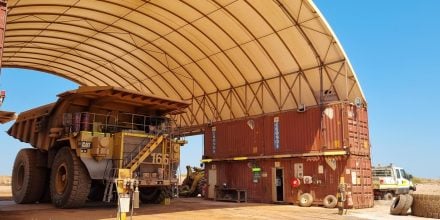
Across mining, industrial, and construction projects, several recurring patterns are consistently observed:
- Infrastructure requirements shifting late in planning cycles
- Permanent builds lagging behind operational demands
- Procurement decisions made with incomplete site context
- Mobilisation timelines outpacing fixed infrastructure delivery
These pressures often lead to reactive decisions, specification adjustments, and avoidable project disruption.

Why Projects Experience Infrastructure Delays
When projects encounter reactive behaviours in early infrastructure planning, it is often driven by information gaps rather than a lack of planning discipline.
These gaps commonly include:
- Incomplete visibility of evolving project specifications and site requirements
- Misalignment between supplier capability and project demands
- Compressed delivery and mobilisation timelines
- Infrastructure decisions made under cost or schedule pressure
In these conditions, securing suppliers capable of aligning with reviewed project schedules, expediting delivery where required, and maintaining quality standards becomes critical to minimising disruption and maintaining project momentum.
Reducing Infrastructure Uncertainty
Infrastructure is not simply a structural consideration. It is closely tied to deployment timing, operational continuity, asset protection, and site performance.
Project stakeholders must balance environmental and compliance requirements, deployment and logistics constraints, budget staging considerations, and future adaptability needs, without introducing delays, redesign risk, or operational compromise.
Early design and engineering input plays an important role in reducing uncertainty and improving planning confidence.

Integrated Design & Engineering Input Early
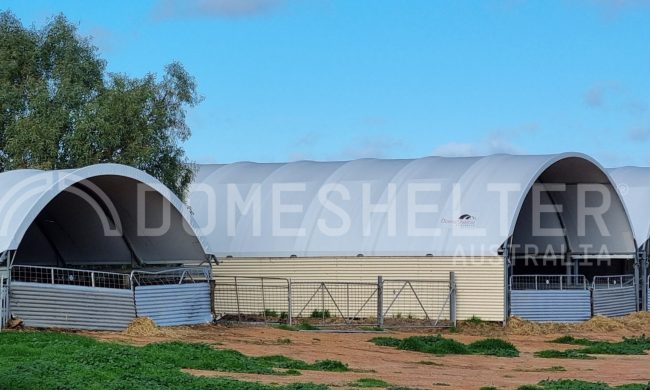
DomeShelter Australia supports project stakeholders through integrated in-house design, engineering, and manufacturing, enabling infrastructure solutions to be evaluated, configured, and delivered within a coordinated workflow.
This approach allows project teams to:
- Assess structural suitability early
- Align solutions with environmental demands
- Evaluate staged deployment strategies
- Late-stage redesign and specification risk
Rather than reacting to infrastructure gaps, stakeholders can make informed decisions aligned with site and project requirements.
Discuss Your Project Infrastructure Requirements
Whether your project is navigating early planning, procurement alignment, or mobilisation pressures, our team can assist with evaluating, configuring, and aligning infrastructure solutions to your project requirements.